
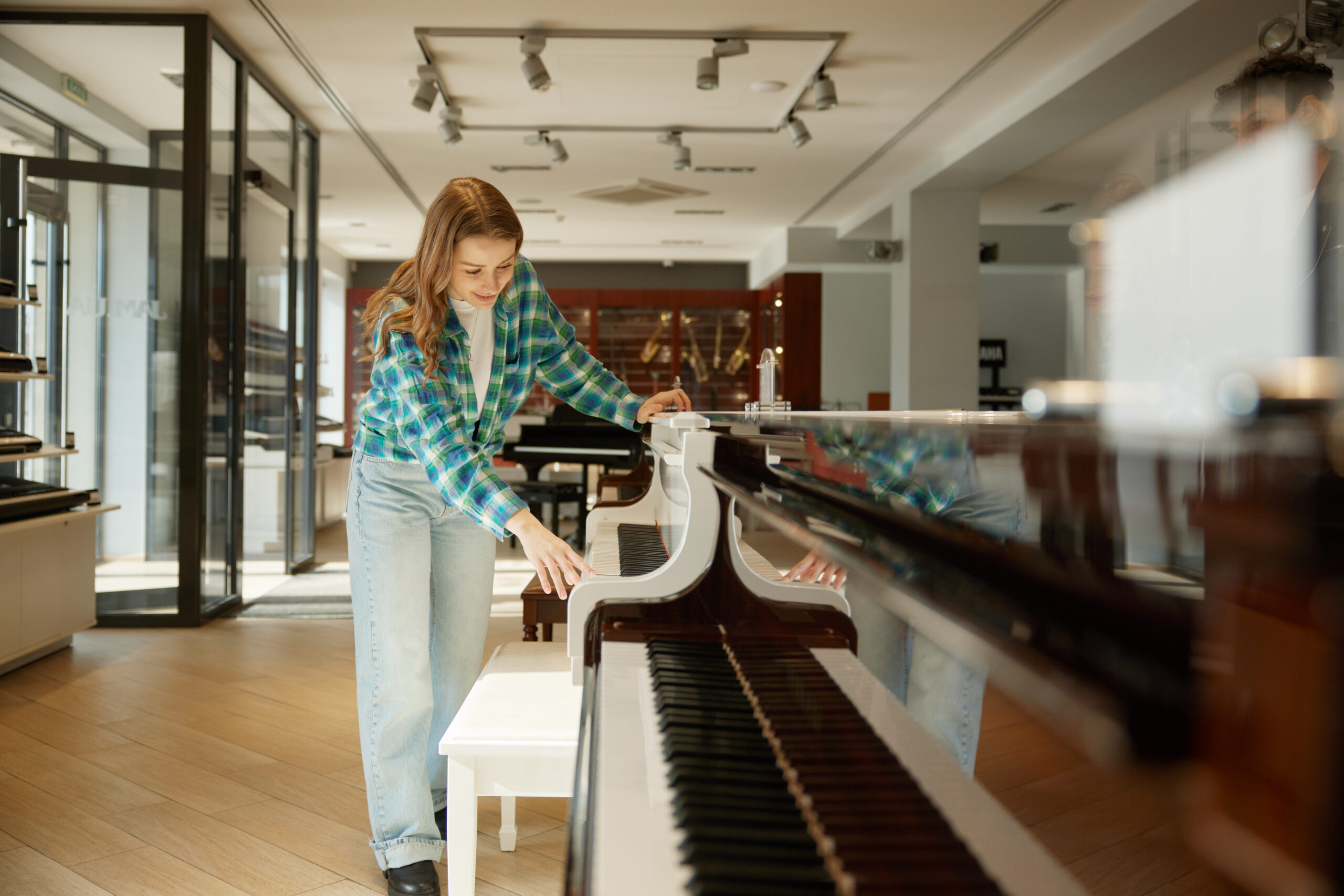
How to Compare Pianos in a Showroom Even If You Do Not Play
Walking into a piano showroom can feel a little like entering a conversation in a language you have not learned. You recognize the instruments, but you may not know what to listen for, what the keys should feel like, or which questions matter. How do you choose confidently if you cannot play?
You can make a thoughtful decision without performing a single piece. Start with your needs, ask for comparable demonstrations, and give yourself permission to describe what you hear in ordinary words. A useful showroom visit helps you discover your preferences and understand your options.
Begin with the person who will use the piano
Tell the showroom staff who will play and how the instrument will be used. A child beginning lessons, an adult returning to music, and a pianist practicing demanding repertoire may have different priorities. Explain your budget, available room, and any concerns about sound carrying through the house.
Bring a photograph of the intended space and basic measurements. If a teacher has recommended particular features, bring those notes too. This information gives the conversation a practical starting point and helps narrow the choices before you spend time comparing individual instruments.
Ask to hear the same music on several instruments
Different musical selections can make comparison confusing. A quiet melody on one piano and a dramatic passage on another tell you as much about the performance as the instruments. Ask for the same short passage on each piano you are considering, played at similar volumes.
Request both gentle playing and something fuller. Listen to low notes, the middle of the keyboard, and the upper register. Does the sound appeal to you throughout? Is one instrument especially clear, warm, bright, or rounded? Those everyday descriptions are useful. You do not need a technical vocabulary to explain what you enjoy.
Listen from more than one position
Sit at the bench, then step back while someone plays. You may hear the instrument differently from each position. Ask how the showroom’s size, flooring, and surroundings influence what you hear. Your living room may respond differently, so treat the demonstration as a comparison rather than an exact preview of your home.
If you are considering a digital piano, listen through its speakers and try headphones if you expect to use them. Ask the demonstrator to begin with the main piano sound so additional effects do not distract from your first comparison.
Try the keys even if you know only a few notes
Press several keys gently and then more firmly. Notice whether the resistance feels comfortable. Can you make a quiet sound easily? Do the keys respond in a way that feels manageable? A few minutes of exploration can help you understand why the playing experience matters alongside appearance.
If the piano is for someone else, involve that person whenever possible. A teacher can help evaluate the action and suitability for lessons. An experienced friend can demonstrate music, but your own preferences and the intended player’s needs should remain part of the decision.
Ask what the individual piano needs
For a pre-owned acoustic piano, ask about its condition, known history, and work completed. If it is described as restored, ask exactly what that includes. For any purchase, discuss delivery arrangements, warranty terms where applicable, and ongoing care. Request written details before committing.
Ask how tuning, regulation, and voicing differ. These address pitch, the mechanical response, and tonal character respectively. Understanding the distinction helps you ask better questions about the instrument you are hearing. Price and brand are useful starting points, but they cannot explain everything about an individual piano.
Compare a manageable shortlist
After exploring, return to two or three favorites. Hear the same passage again and write down a few observations: preferred sound, comfortable touch, fit for the room, and total cost including delivery. A shortlist makes it easier to remember meaningful differences.
Bring your questions to Houston Piano Company at 1600 W. 13th Street in the Heights. Tell us about your player and your home, and ask us to demonstrate the instruments you would like to compare. Your first visit can begin with listening. Which would you want to hear in your home: a gentle, rounded sound or a brighter, more immediate one?